
Mercedes Sosa – Gracias a la vida
Mercedes Sosa – Gracias a la vida
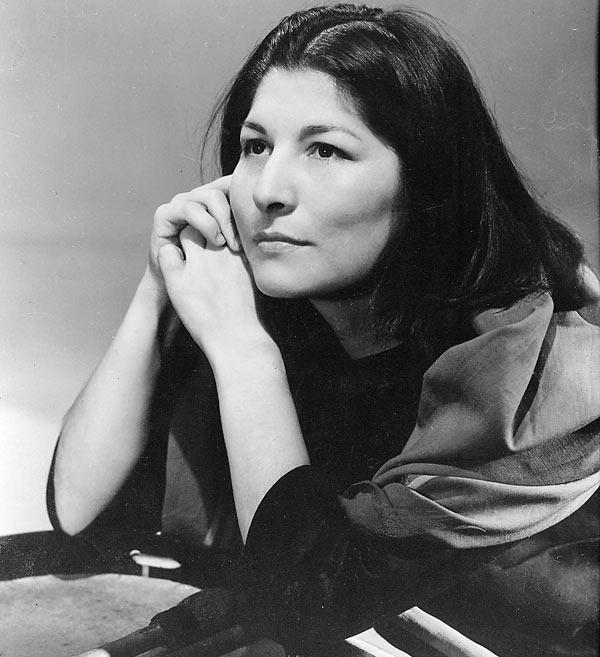
Mercedes Sosa, the Argentinian singer who became the voice of the nueva cancion movement of the 60s and 70s is making a surprising return to the news. Sosa died in 2009 at the age of 74. Sosa was an outspoken singer, who used her voice and art to champion the causes of the poor in South America, even though she tried to distance herself from specific political movements. He signature song, “Gracias a la vida” features prominently – and poignantly – in the 2026 movie “Project Hail Mary” (music supervisor: Kier Lehman).
Sosa’s career really kicked off in 1965, when she took the stage at the legendary Cosquín Folk Festival. Invited by celebrated folk singer Jorge Cafrune, Sosa delivered a performance that electrified the crowd and propelled her into the national spotlight. That night marked the dawn of a remarkable journey—one that would see her rise as a beloved voice and cultural icon throughout Latin America.
At the time, the continent was going through huge political turmoil and injustice under the weight of several dictatorships. In Argentina, thousands of people disappeared in police raids and executions which are still being investigated. Sosa became know as the “Voice of South America”.
Sosa’s Struggles and Awards
Sosa’s repertoire blossomed with timeless classics like “Gracias a la Vida,” “Alfonsina y el Mar,” and “Solo le Pido a Dios,” each rendered with extraordinary depth and emotion. Her soulful interpretations not only celebrated the roots of Latin American folk music but also carried them to audiences around the world. Over the years, she earned widespread recognition and numerous honours, including multiple Grammy Awards. Her exceptional album Misa Criolla even captured the Grammy for Best Folk Album at the inaugural Latin Grammy Awards in 2000—a fitting tribute to her enduring impact.
Police Harassment and Persecution
In 1957, Sosa married fellow musician Manuel Óscar Matus, and together they welcomed a son, Fabián Matus, who would later manage her career. Though her marriage ended in 1965, Sosa and her son shared a deep and lasting bond, both personal and professional.
Her life was marked by hardship. She was notably subjected to harassment and political persecution in her native Argentina, once enduring the humiliation of a body search by a policeman on stage. Yet she never wavered. After living in exile in Paris and Madrid, she returned home to an outpouring of love and admiration, just ahead of the fall of Argentina’s dictatorship—a triumphant homecoming for one of the country’s most courageous voices.
Sosa did not write herself, but worked closely with people such as Chilean writer Violeta Parra, who composed her signature tune, “Gracias a la Vida” (Thanks to Life).
Sosa has an extensive discography. Check it on Discogs, YouTube or elsewhere.
Although I mostly cover pop music on A-Lyric, I deeply regret that there is not more room for protest or politically-committed performers. Where have their audiences gone?
UPDATE 2025: I eventually got to add my name to a protest song alongside Herman Martin.